Be confident your data is safe and organized.
Nonprofit CRM Implementation and Data Migration
Your donor data is one the most valuable asset your organization owns, alongside the information of those you serve. We move your data cleanly, map it thoughtfully, and get your team live on a system that actually fits how you work.
Choosing the right CRM is hard work. Moving into it well is harder.
That is why selection is its own engagement at Rooted rather than something we hurry through on the way to a migration. Larger organizations start with Systems & CRM Assessments, a structured review of your systems, processes, and requirements that ends in a recommendation you can take to your board. Smaller organizations usually start with a Systems Health Check, a faster diagnostic that shows what to fix first. We do not sell a CRM, so we have no reason to steer you anywhere in particular.
Once the platform is chosen, the part most organizations underestimate begins. Fifteen years of inconsistent data entry. Duplicate constituent records nobody wants to own. Custom fields that meant something to a staff member who left in 2019. Gift history that has to reconcile to the penny. Most teams discover all of this halfway through a self-managed migration, usually the week before go-live.
Selecting a new CRM is a real project, not a formality. The platform has to fit how your team actually operates, what your reporting genuinely requires, and where your organization will be in three years. Getting it wrong is expensive and slow to undo.
We do not just move the boxes
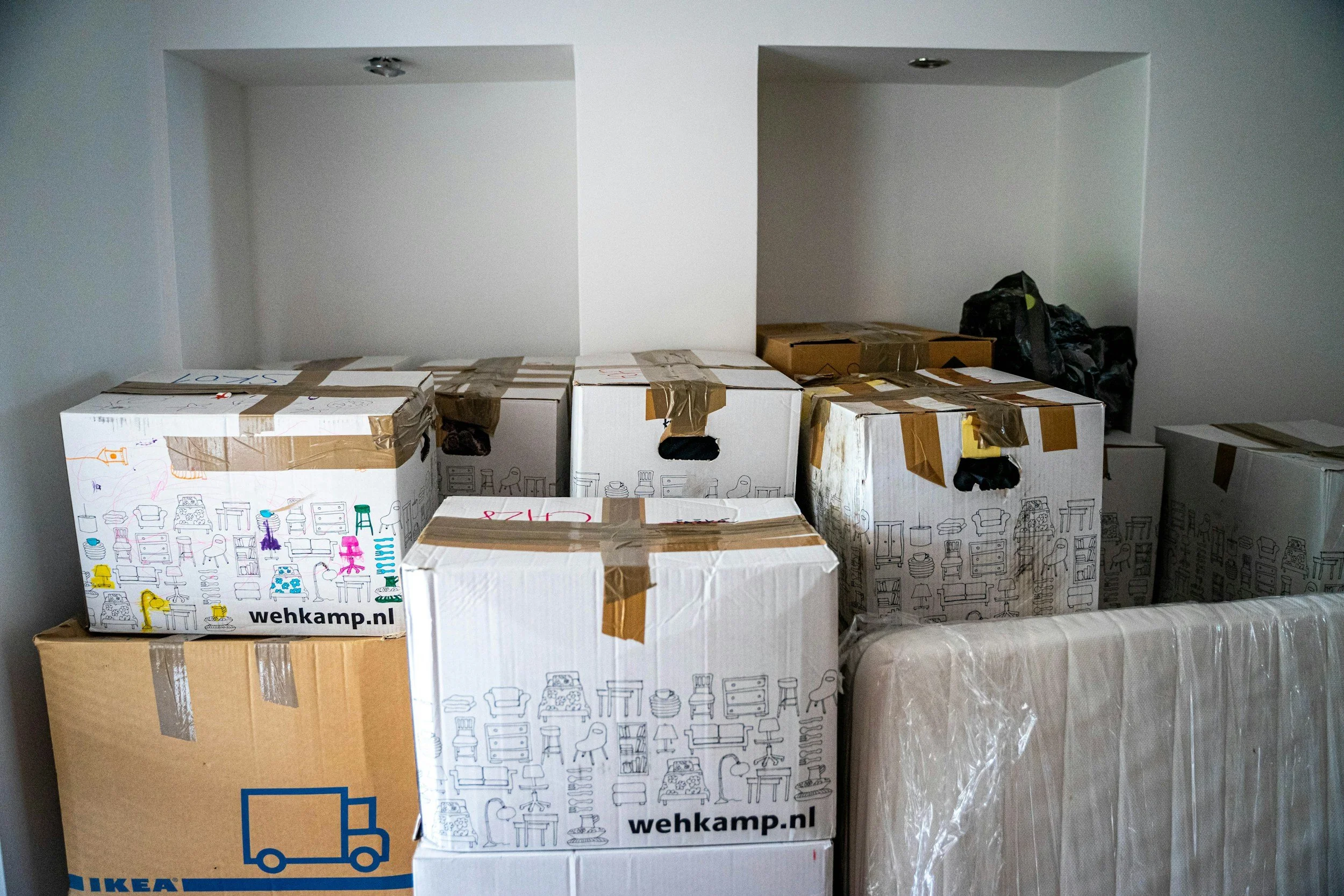
Think of it like moving house. The free import your new CRM vendor offers will carry every box from the old place to the new one and stack them in the hallway. Nothing is lost. But nothing is unpacked either, and the new house ends up arranged exactly like the old one, including the parts that never worked.
We help you unpack intentionally (with clean data). Every box gets opened, sorted, and put where it belongs in the new space. Duplicates go out. What was only ever stored badly gets stored properly. Rooms get used for what they are good for. You move into a home set up for how your team works now, rather than a careful replica of the place you just left.
Find the Right Path for Your Organization
Whether you need a straightforward migration or a deeply customized technology ecosystem, we scale the engagement around your organization's size, complexity, and goals.
Small Organizations
Get the right system live quickly, without introducing unnecessary complexity.
Mid-Size Organizations
Build a fundraising and ministry ecosystem around the way your organization actually operates.
Enterprise Organizations
Architect complex systems, integrations, data models, and custom workflows.
Small Ministries, Nonprofits, and Churches
Best ForOrganizations that need a real system, need it working this quarter, and do not need enterprise complexity to get there. This includes small and mid-size churches consolidating membership, giving, groups, check-in, and service planning.
The Challenge
These platforms are genuinely good and genuinely fast to stand up. The risk is under-planning: picking a platform in a demo, importing raw data, and spending the next two years working around decisions nobody made deliberately.
For churches specifically, the migration challenge is rarely the software. It is that your data is spread across a legacy church management system, a separate giving platform, several spreadsheets, and at least one staff member's personal contacts list.
We keep this path tight on purpose. Most organizations at this size go live in under 90 days.
What We Handle
- Platform selection guidance across these options, with no incentive pushing you toward any one of them
- Consolidation of member, household, and giving data from multiple sources
- Household and family relationship mapping
- Giving history and fund structure alignment
- Full data extraction, deduplication, and cleansing in transit
- Field mapping and custom attribute translation
- Groups, teams, and service scheduling setup for churches, including discipleship and milestone tracking
- Test migration into a sandbox for your review before anything is written to production
- Go-live and staff training on the modules your team will actually use
A clean database, live in one quarter, that your staff and volunteers can run without IT support.
Mid-Size Ministries, Nonprofits, and Churches
Best ForOrganizations with real fundraising complexity: major gifts, multi-channel campaigns, recurring giving programs, grants, events, and a development team large enough that process consistency matters. Also larger churches running a donor CRM alongside their ministry platform.
The Challenge
This is where implementation quality separates from data movement. The platform can do almost anything, which means someone has to decide what it should do.
Left undirected, most implementations at this size replicate the legacy system exactly, including the parts that were not working.
We do not simply rebuild what you had. We map your current process, identify what is worth carrying forward, and configure the new system around how you want to operate.
What We Handle
- Discovery across current data sources and data management processes
- Full field mapping, transformation rules, and restructuring recommendations
- Multiple QA cycles with structured issue submission and review calls
- Coordinated go-live sequence with a defined data cutoff
- Post-live QA window, duplicate resolution, and permission group setup
- Consulting calls throughout the life of the engagement
- Business process work on gift entry, major donor development, and grant management
- For churches, alignment between the ministry platform and donor CRM so the two do not drift apart
Four to six months from kickoff through post-live support.
Large & Enterprise Ministries Needing Deep Customization
Best ForOrganizations whose operating model does not fit an off-the-shelf CRM. Multi-entity structures, field staff and missionary support, international operations, complex program delivery, or business processes that are genuine competitive advantages rather than inefficiencies to be normalized away.
The Challenge
At this scale the question changes from “Which CRM?” to “What is our systems architecture?”
The answer usually involves integration work, API development, and a platform chosen for extensibility rather than out-of-box features.
What We Handle
- Systems architecture assessment before platform commitment
- Staged migrations via bulk API endpoints, coordinated with your development team
- Custom integration and middleware development
- Data model design for multi-entity and multi-program structures
- Validation, reconciliation, and acceptance testing across systems
Scoped in phases, because architecture decisions at this scale reshape the work as they are made. We define the next phase clearly rather than pretending the whole program can be specified on day one.
The same process, every time, on every path
We implement systems for ministries, and we have since 2021
Faith-based focus. We work with churches, ministries, nonprofits, and Christian schools. We understand designated funds, missionary support structures, and why household relationships matter differently in a church than in a museum. We are happy to work with other nonprofits too.
Independent recommendations. We partner with many CRM platforms rather than reselling one, so our job is helping you land on the system that actually fits your organization. Sometimes that means telling you the simpler option is the right one.
Direct access to your engineer. You work with a senior database developer and data migration engineer throughout the project, not a rotating account team.
Project transparency. Every engagement runs through an online project management system so you can see tasks, progress, and communication in one place.
Scope discipline. What is in and what is out gets written down before work starts. If something new surfaces mid-project, we bring it to you in writing and get agreement before we proceed.

Being clear about scope up front prevents most project friction:
Data that cannot be exported as records (file attachments, saved reports and queries, email analytics) does not migrate, and will need to be recreated manually (either by us , or your team)
Third-party system integrations are scoped separately from the migration itself (and can be provided by Rooted Software)
Additional QA cycles beyond the agreed number are scoped as an addition to the project
Historical data quality issues we identify but you choose not to resolve stay as they are, flagged and documented
What is Not Included

Frequently Asked Questions
-
It depends on the path. A small organization moving to DonorDock, Bloomerang, or Planning Center is typically live within 90 days. A mid-size Virtuous or CharityEngine implementation usually runs four to six months including post-live support. Enterprise migrations are scoped individually.
-
Not here. Start with an assessment, because the selection decision deserves its own work rather than being folded into a migration. Larger organizations start with Systems & CRM Assessments. Smaller organizations start with a free Systems Health Check. Both end with a recommendation, and neither commits you to a migration with us.
-
Three things, in order: the number of source systems you are consolidating, the quality of the data in them, and how much your new system needs to be configured around your processes rather than accepting its defaults. Record volume matters far less than most people expect.
-
A free import moves the boxes. It does not unpack them. It will not deduplicate records, standardize addresses, restructure data that was modeled badly, or map custom fields intelligently. You end up with your old problems in a new system where your team has less experience solving them.
-
Yes. We work from a SQL database backup, restore it to a Rooted-managed environment, and profile the schema directly. This handles data volumes that exceed what the standard export tools can produce. We have migrated 60+ organizations out of Blackbaud products.
-
Yes, and this is one of the most common projects we run. The work is usually less about the ChMS itself and more about consolidating giving data, household relationships, and several years of spreadsheets into one place.
-
Access to your source systems or a database backup, timely decisions on mapping questions, staff availability for review calls, and someone empowered to confirm duplicate merges.
-
Every engagement includes a post-live QA window and reconciliation. Organizations that want ongoing help with reporting, dashboards, automation, and training can add Systems Success, our ongoing support offering, which gives your team dedicated consulting time each month applied to whatever you need most.

Start with a conversation about your data
We will look at what you have, tell you honestly which path you are on, and give you a realistic picture of what the work involves. If the right answer is the free import and a spreadsheet, we will tell you that too.